Archive Family
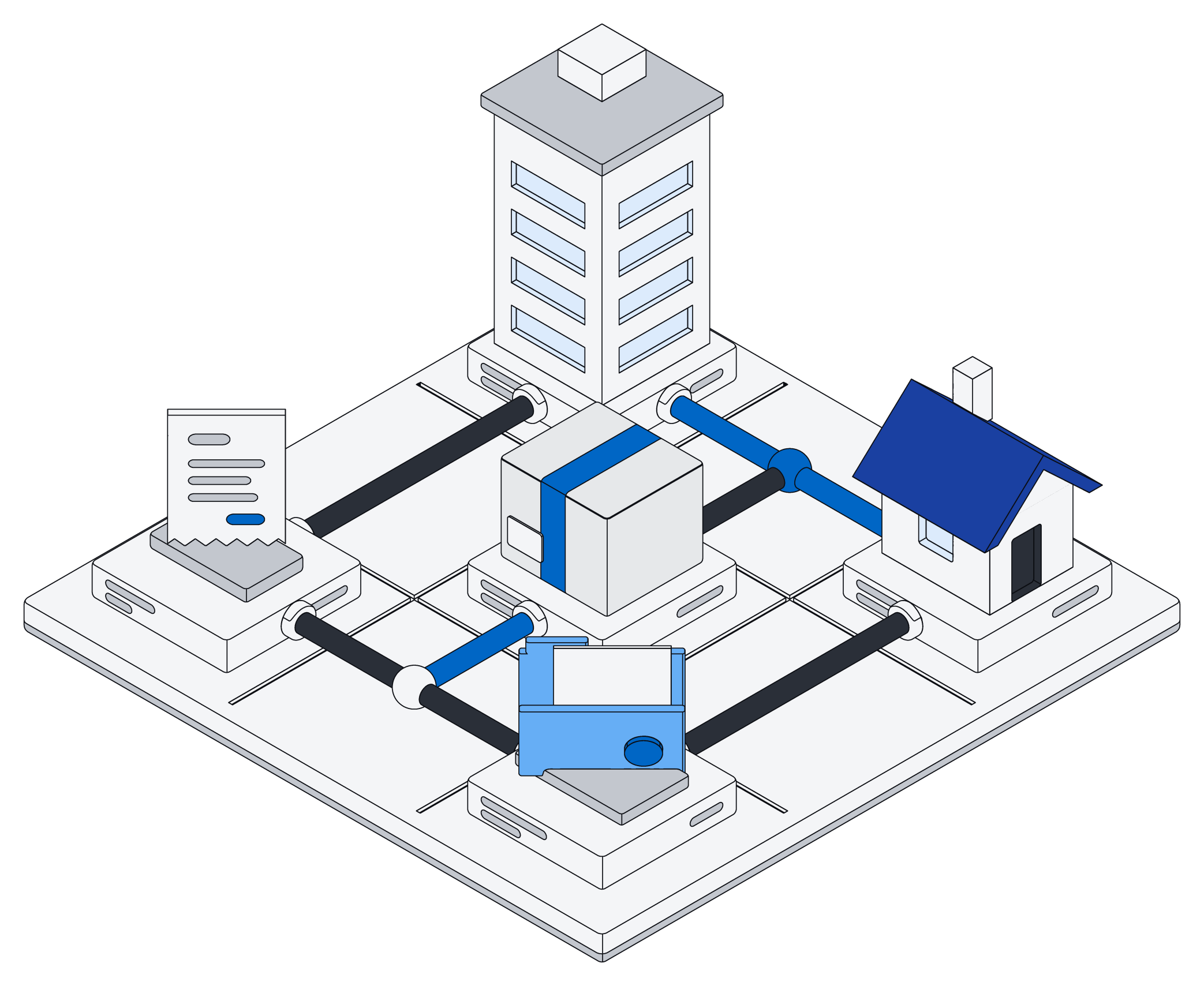
A private archive for a family's papers, photos, stories and family tree, and its bills, receipts and warranties too. Built as a module on Archive.
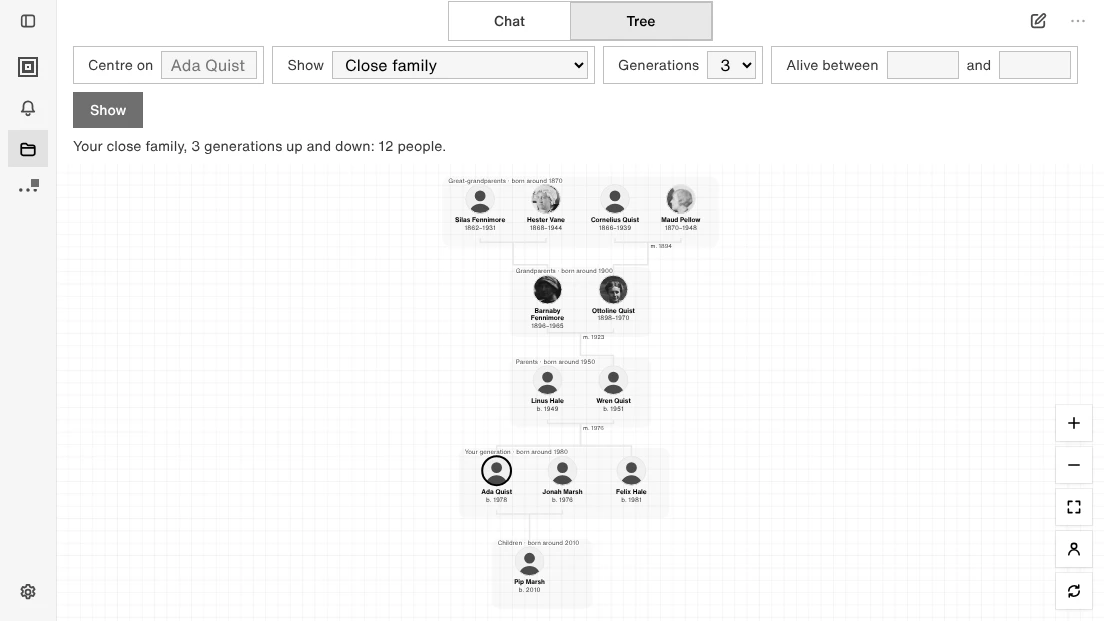
A family tree, from a file or a chat.
Bring in the tree you already have, from any genealogy app, and every person, couple, event and place becomes a record that points back to the line it came from.
Or just tell it who is who. Either way, it is the same tree.
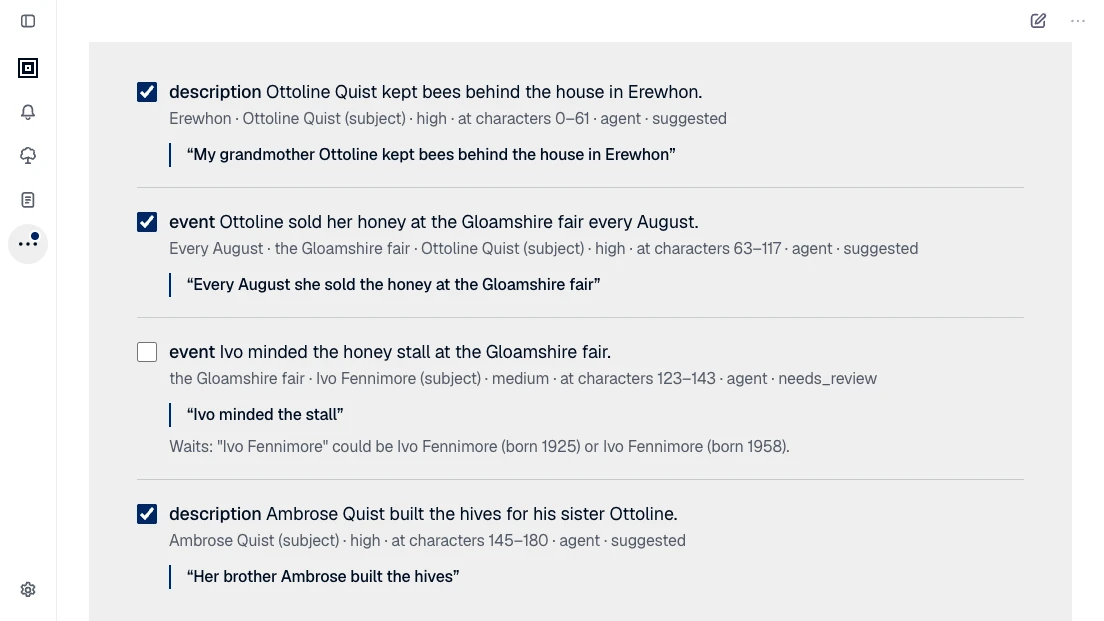
A story becomes records.
Write “my grandmother kept bees behind the house” and it suggests what that says: a person, a place, a habit, each quoting the words it came from.
Nothing goes in until someone ticks it. Where it isn’t sure who you mean, it asks.
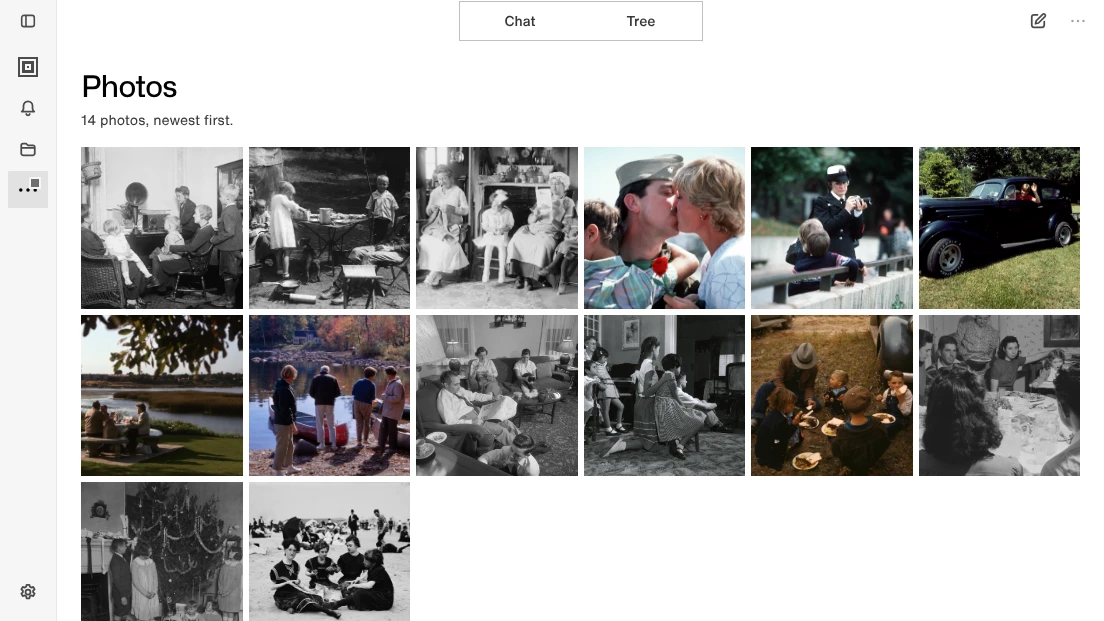
Photos, kept and found.
Every photo is kept as it was, and found by who is in it, where and when.
Each one starts private to whoever added it, until they share it with the family.
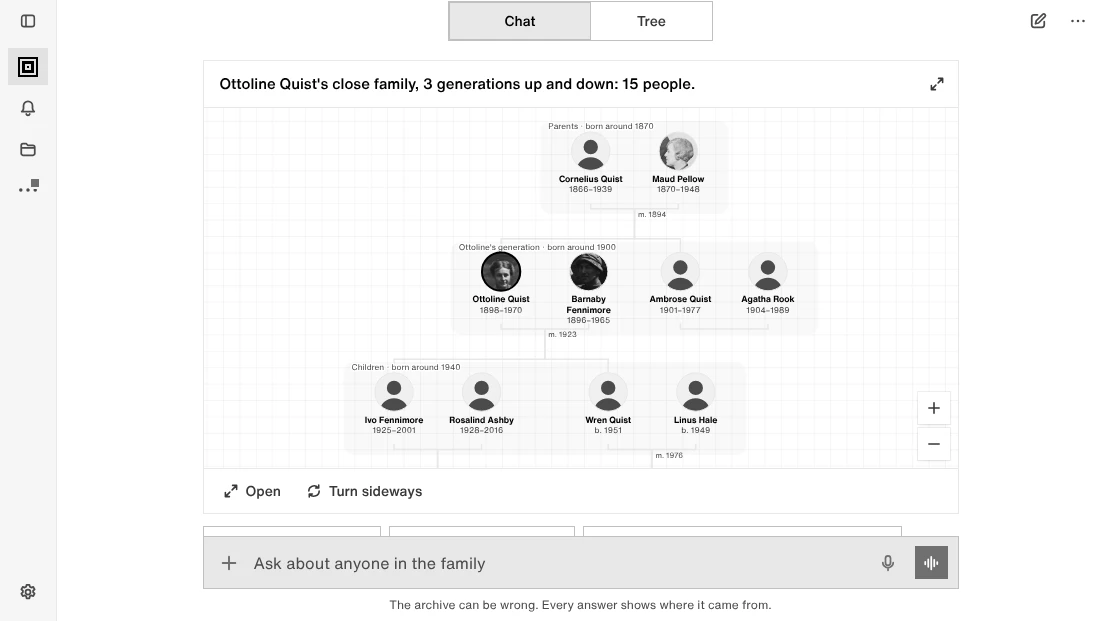
Ask it about anyone.
The family’s chat answers from the archive itself, and every answer shows where it came from.
It only ever sees what the person asking is allowed to.
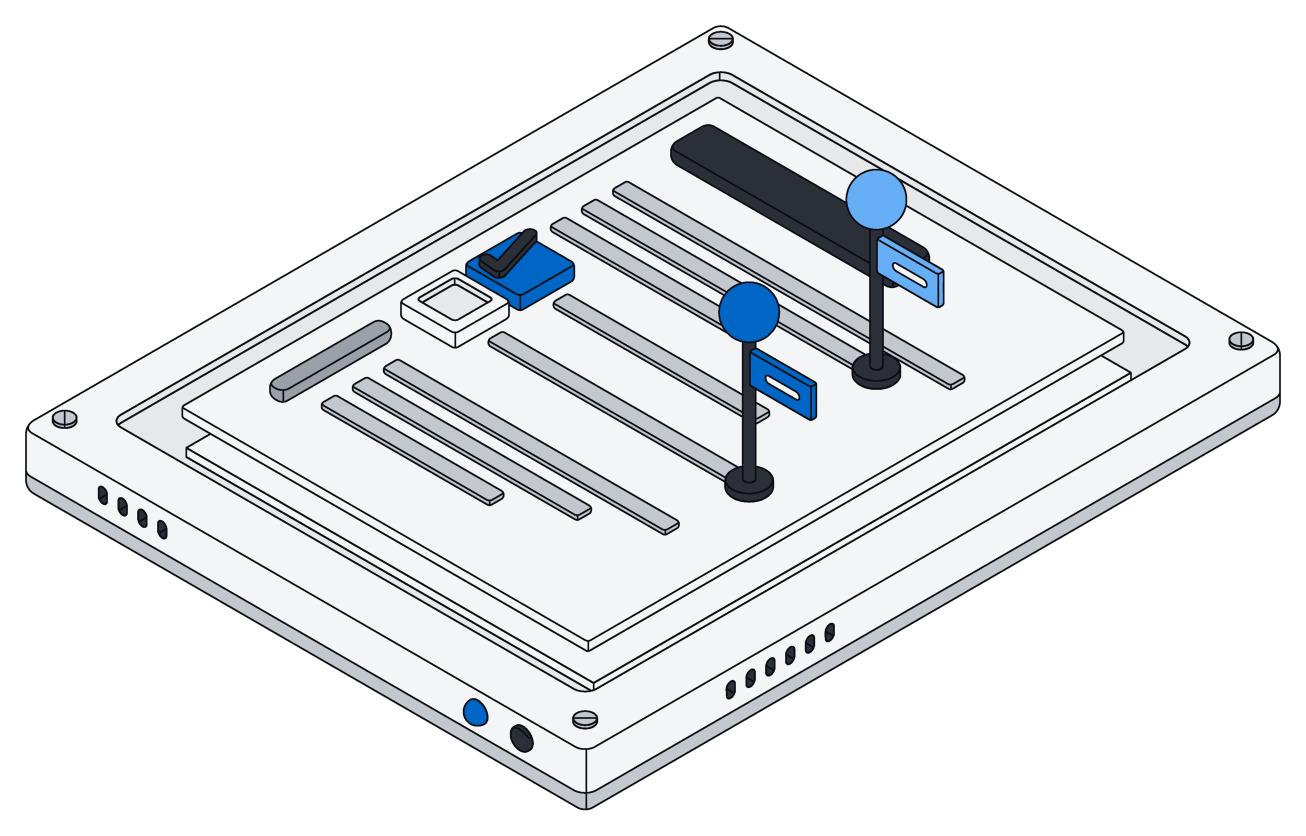
Screens from Archive Family, with a made-up family.
What a family keeps.
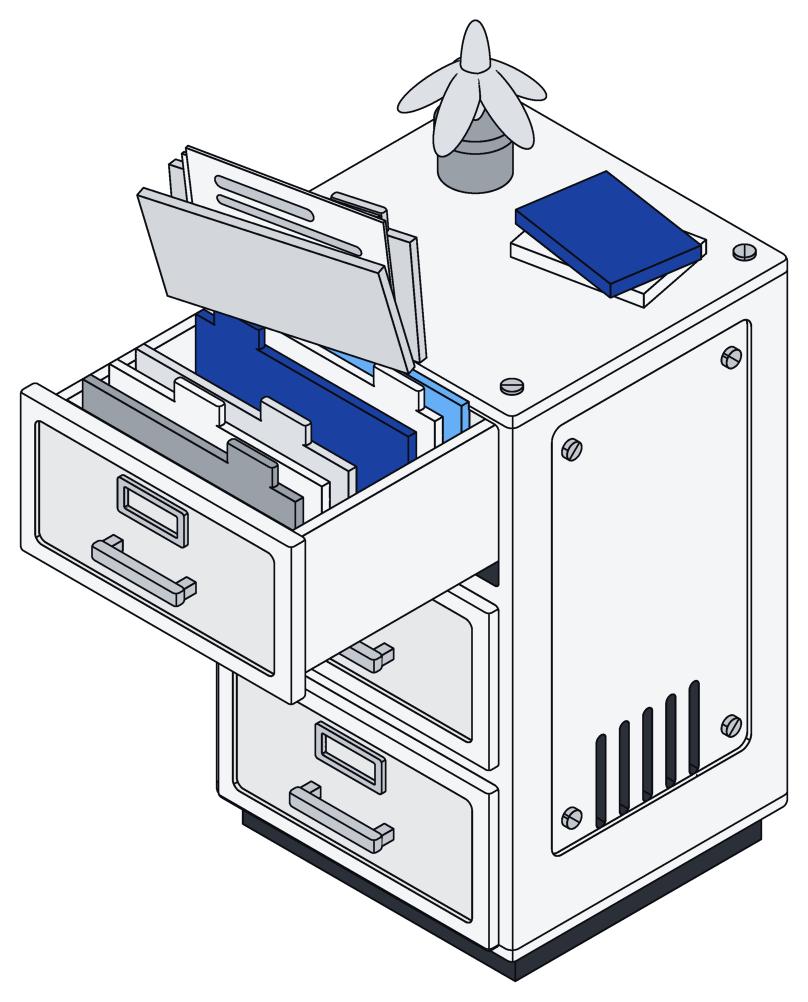
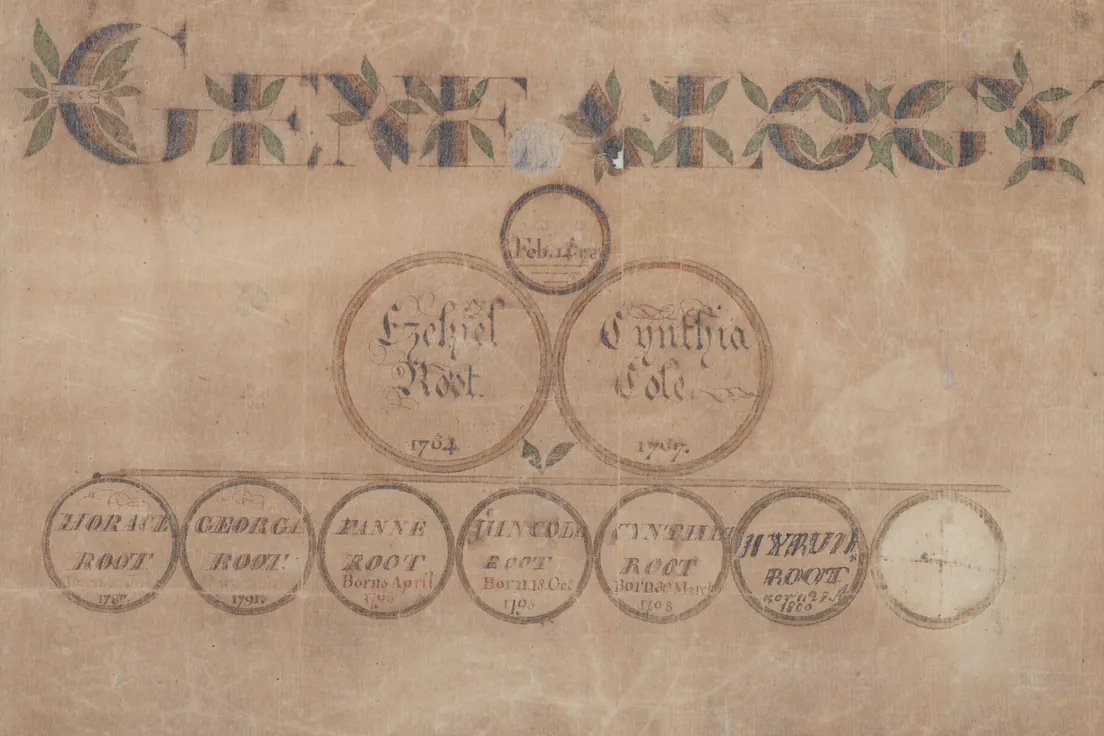
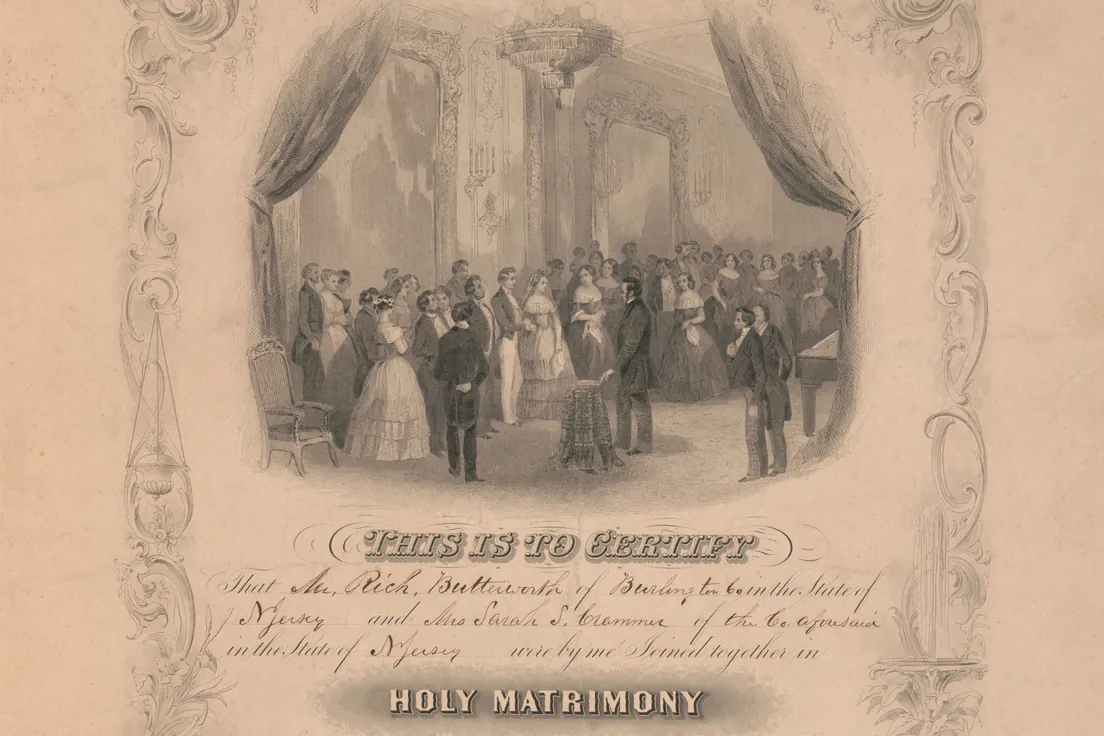
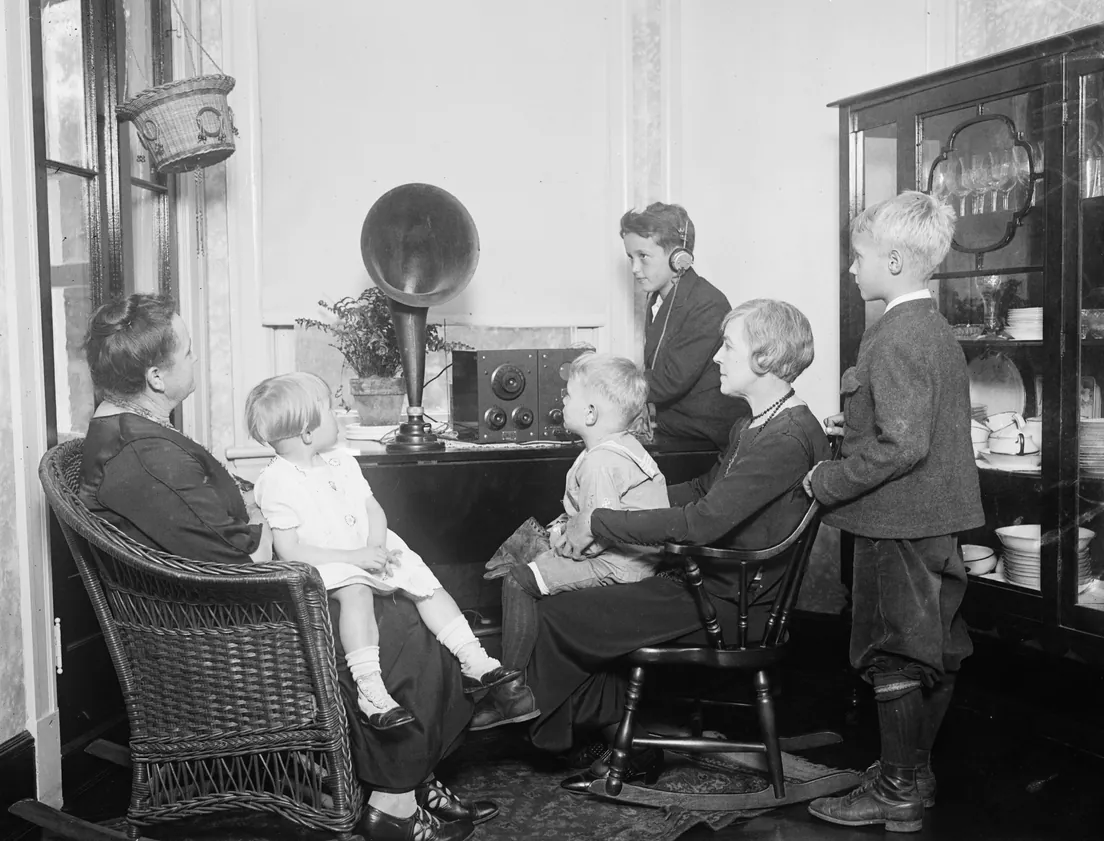
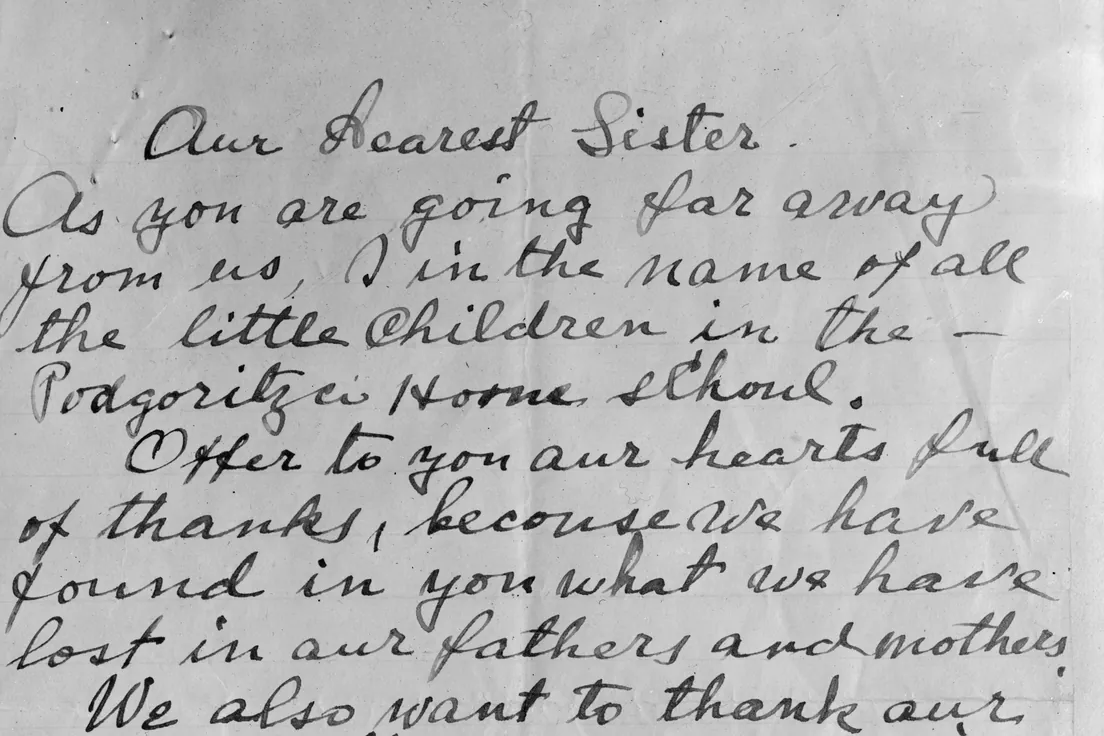
Trees drawn by hand, certificates, tickets, deeds, letters and photographs. Archive Family keeps the original, reads what it says, and files it with the people and places in it.


One module, the whole engine.
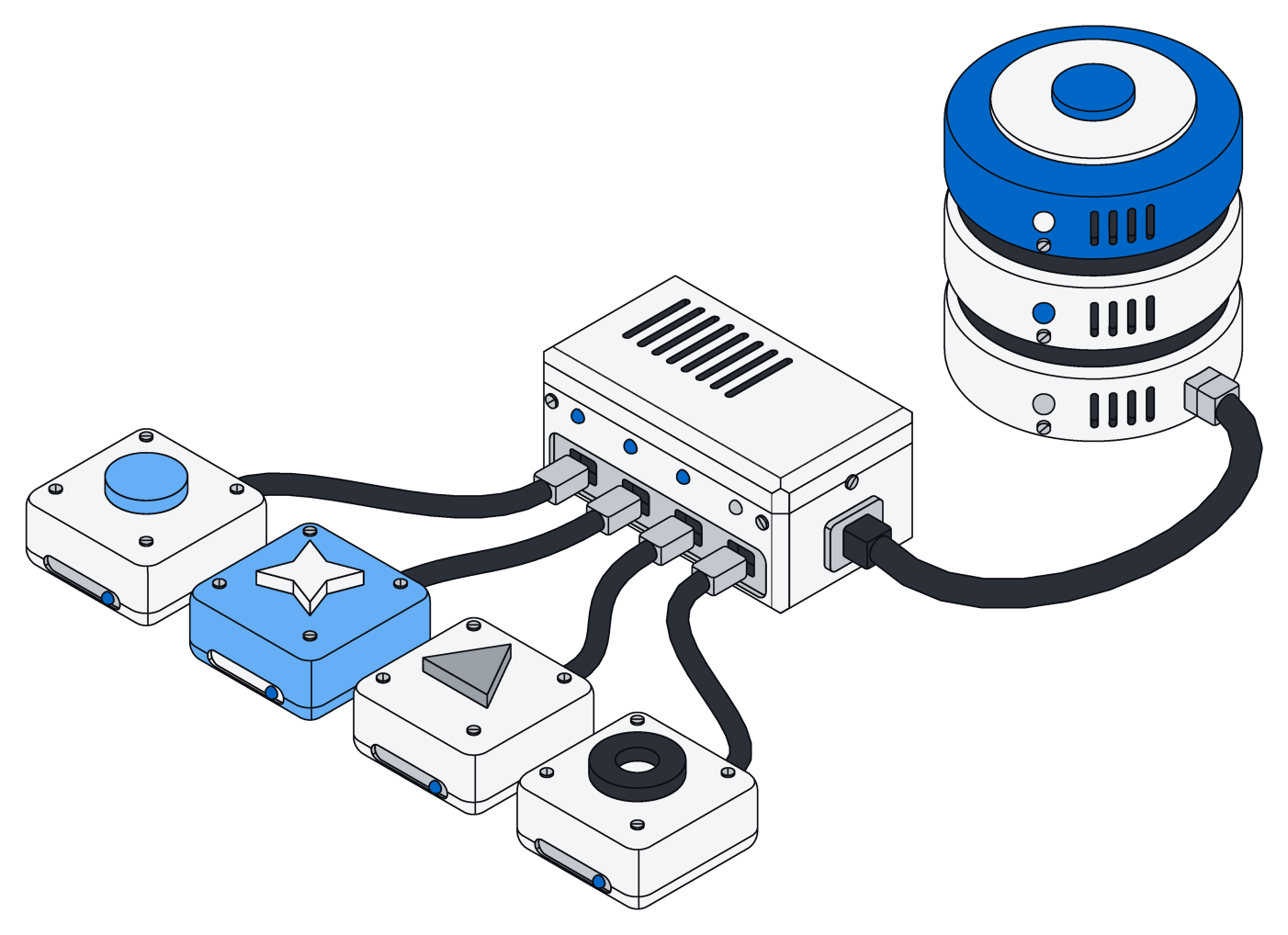
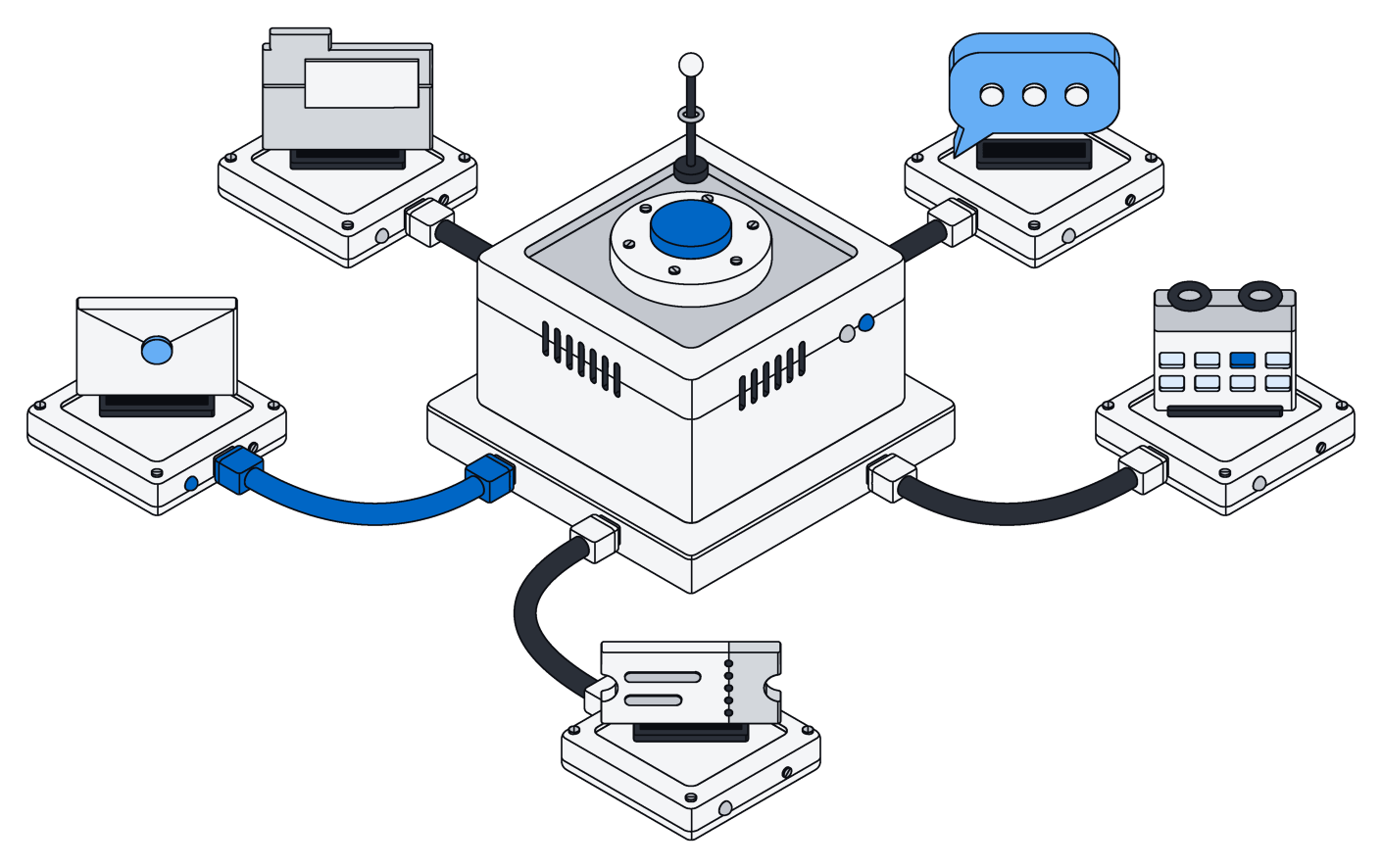
Archive Family adds its own kinds of record and a few screens. Files, search, spaces, sharing and assistants all come from Archive, in one program.
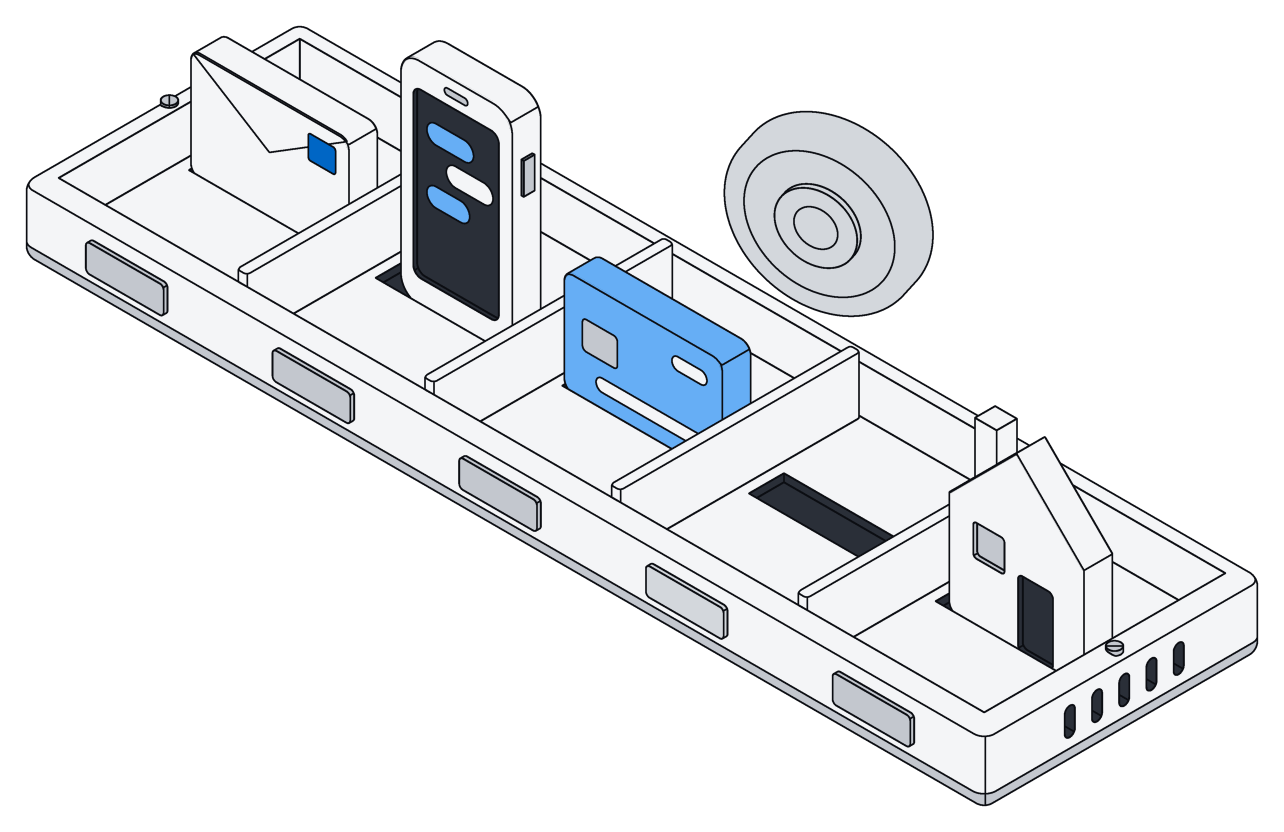
Its own kinds of record
- People, couples, parents, events and places
- Stories, pages and the sources behind each claim
- Twelve kinds of document, from a bill to a keepsake
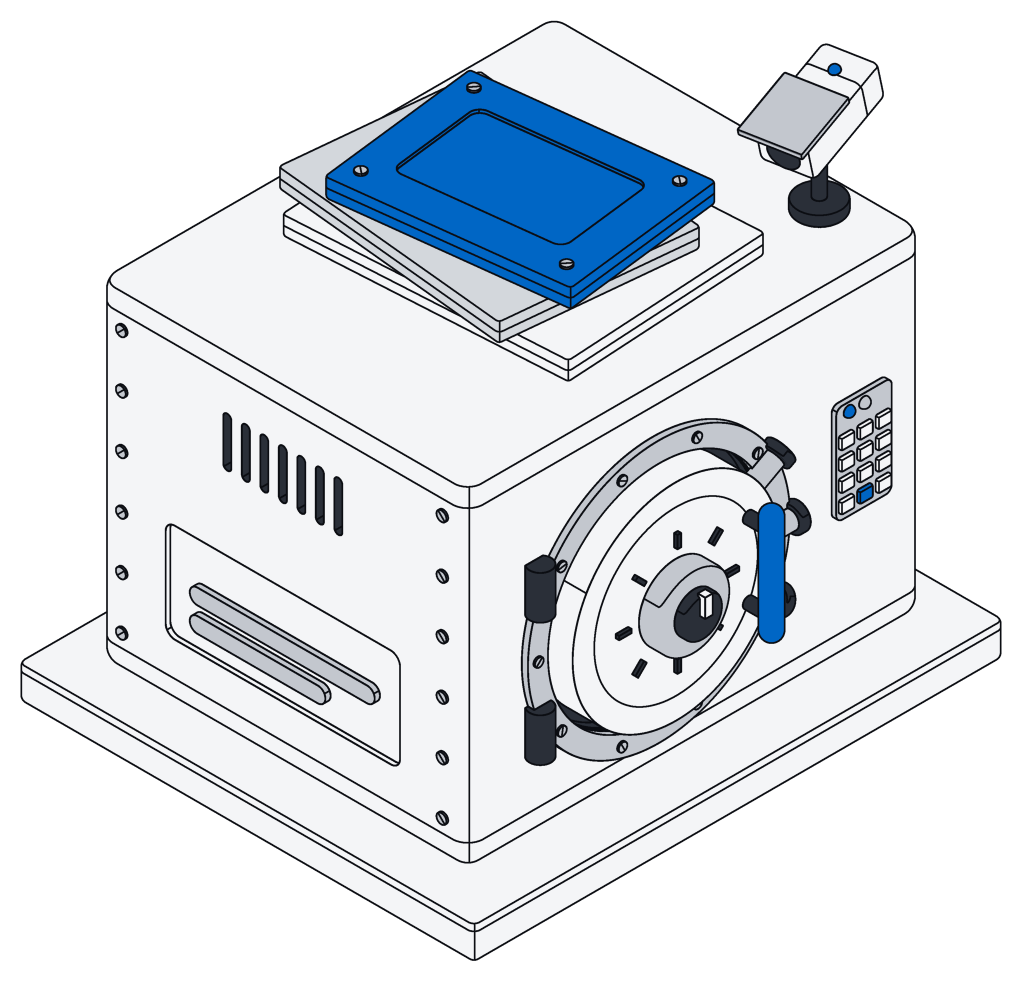
Private by default
- A member’s files start in their own space
- Family records stay closed until an approver opens them
- Sharing is always on purpose
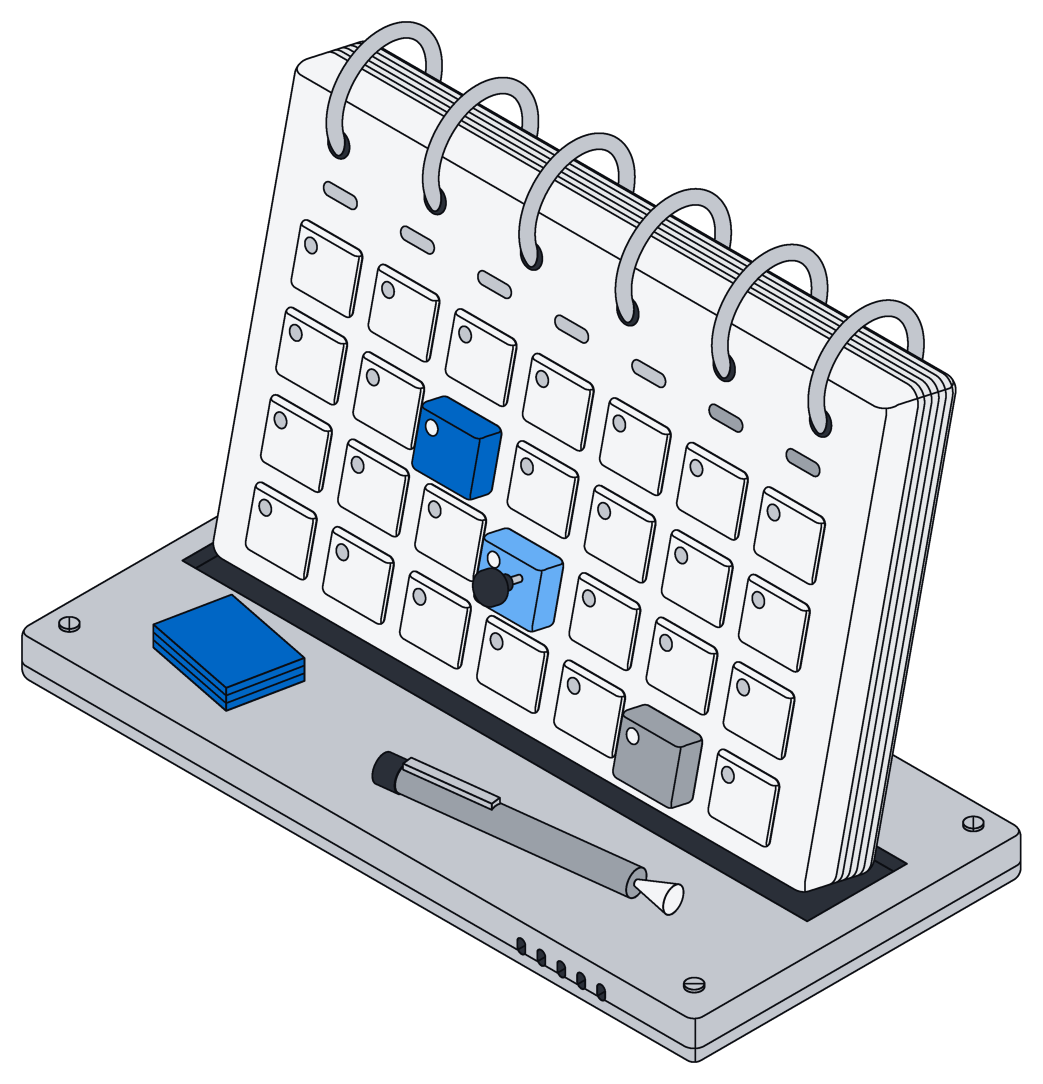
Dates that matter
- Everything due, expiring or renewing in one calendar
- A reminder by email or text, if you want one
- A private calendar address for each member
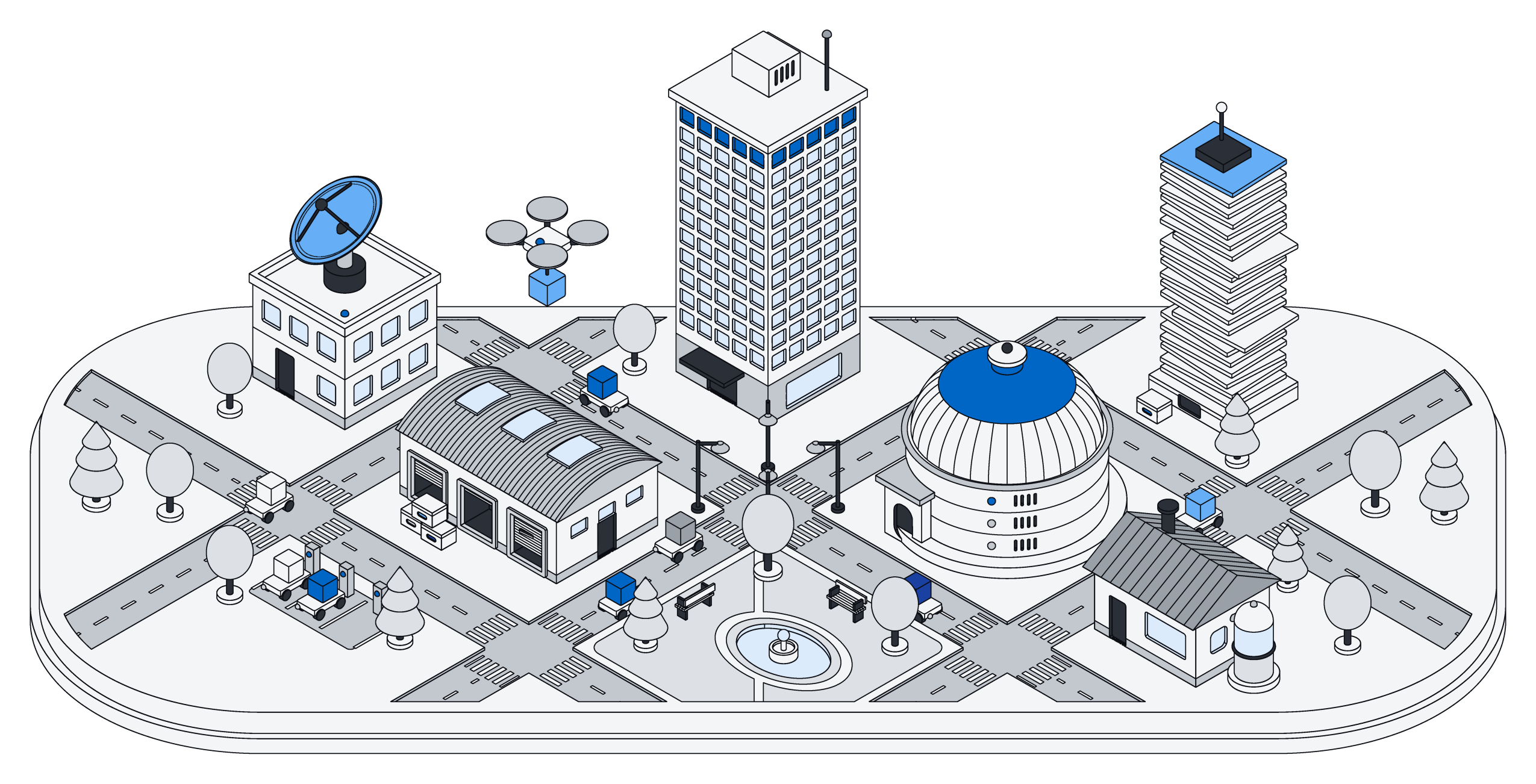
Build your own on Archive.
Start with your own kinds of record. Archive does the rest.